

You need the best defense. We have helped thousands of people get their criminal charges dismissed or reduced.
Drug DUI Attorney in Walnut Creek
37 Years in Contra Costa Courts. A Founding Member of California’s DUI Defense Bar.
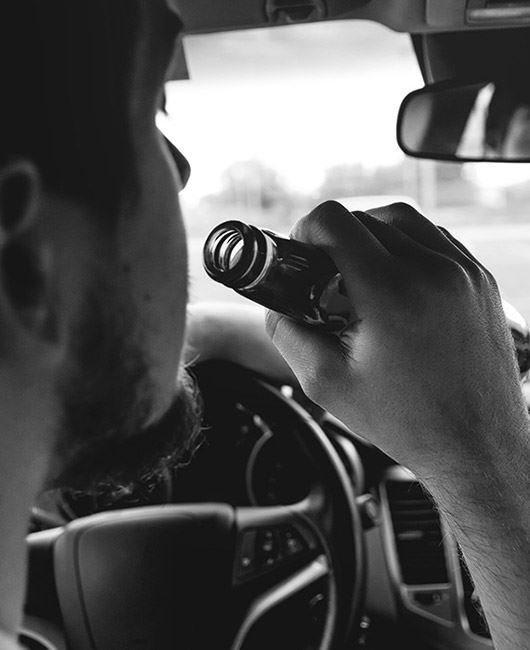
A drug DUI charge under California Vehicle Code 23152(f) is a separate offense from an alcohol DUI. It carries its own legal standards, its own evidentiary challenges, and its own defenses. Unlike alcohol cases, there’s no per se legal limit for drugs in California. Prosecutors must prove actual impairment, which means the case against you depends heavily on officer observations, field sobriety tests, and the judgment calls of a drug recognition evaluator (DRE), a specially trained officer who assesses which category of drug may have affected a driver. That evidentiary structure creates real opportunities to challenge the charge.
I’m Tom McKenna. My practice is devoted entirely to criminal defense, and I’ve been appearing in Contra Costa County courts, including the Walnut Creek and Martinez courthouses, for over 37 years. I’m a founding member of the California DUI Lawyers Association, the oldest drunk driving defense bar association in the country. Drug DUI cases turn on evidence, and I know how local judges and prosecutors evaluate it.
If you’re facing a drug DUI charge in Walnut Creek or anywhere in Contra Costa County, call my office at (925) 744-8404 for a free initial consultation.
Why Contra Costa County Clients Work with Me on Drug DUI Cases
My office is a small firm. When you hire me, you work directly with me throughout your case. I’m admitted to the California Bar (1985) and the U.S. District Court for the Northern District of California (1986), and I’m a member of both the Contra Costa Bar Association and California Attorneys for Criminal Justice. Prosecutors and judges in this county know my work, and I receive referrals from legal peers and court staff because of that reputation.
California’s Drug DUI Law: Charges & Penalties
California Vehicle Code 23152(f) makes it unlawful to drive while under the influence of any drug, whether illegal, prescribed, or available over the counter. The standard isn’t whether a substance is in your system. It’s whether your mental or physical abilities were impaired to the point that you could no longer drive with the caution of a sober person under similar circumstances.
Most drug DUI charges are filed as misdemeanors. A charge may become a felony when the driver has at least one prior felony DUI conviction, at least three prior misdemeanor DUI convictions, or caused injury to another person.
Potential penalties depend on the circumstances of your case:
- First offense (misdemeanor): A minimum of 96 hours up to six months in county jail, though probation is often substituted, along with fines that can reach several thousand dollars after penalty assessments and a driver’s license suspension
- Second offense within 10 years: When probation is granted, a minimum of 96 hours up to one year in jail; when probation is denied, a minimum of 90 days up to one year. Fines range from $390 to $1,000 before assessments, and a two-year license suspension may apply
- Felony DUI: Significantly enhanced penalties, including state prison exposure and a longer license revocation period
Because there’s no chemical threshold for drugs comparable to the 0.08 percent BAC standard for alcohol, the prosecution’s case rests on subjective evidence. That’s a meaningful difference, and it shapes how I approach the defense.
How a Drug DUI Case Moves Through Contra Costa County Courts
A drug DUI arrest triggers two separate proceedings at once. The criminal case is filed in Contra Costa County Superior Court. Walnut Creek misdemeanor matters are initially heard at the A.F. Bray Courthouse in Martinez. Felony cases go to the Wakefield Taylor Courthouse in Martinez. At the same time, the California DMV initiates an administrative proceeding to suspend your driving privileges, entirely separate from anything that happens in criminal court.
You have 10 days from the date of arrest to request an Administrative Per Se hearing with the California DMV. Missing that deadline results in an automatic suspension of your license, regardless of the outcome in criminal court. I handle both tracks, including filing the DMV hearing request promptly and building the criminal defense in parallel.
Defense Strategies in a Drug DUI Case
I start every case by reviewing the police report, any available video from the stop or arrest, calibration and maintenance records for testing equipment, and the documentation surrounding any chemical test. The goal is to find where the prosecution’s case is weakest.
Common defense angles include:
- The traffic stop itself: If law enforcement lacked reasonable suspicion to stop the vehicle, evidence gathered afterward may be suppressed under the Fourth Amendment
- DRE testimony: A drug recognition evaluator’s conclusions depend on a 12-step evaluation process, the evaluator’s individual training, and judgment calls about which drug category caused impairment. Each step can be scrutinized
- Chemical test reliability: Blood and urine results can be compromised by improper collection, chain-of-custody breaks, or laboratory error. California law requires law enforcement to preserve a portion of a DUI blood draw for up to one year. I can request a blood split for independent retesting when results are in dispute
- No DRE involvement: When no certified drug recognition evaluator participated in the investigation, proving which drug caused impairment, and that impairment actually existed, may become considerably harder for the prosecution
- Alternative explanations: Fatigue, a medical condition, or a legally used prescription medication can produce symptoms that resemble drug impairment. I evaluate whether those explanations apply in your case
Title 17 of the California Code of Regulations governs how DUI blood and urine samples must be collected, stored, and tested. Violations of those procedures can undermine the prosecution’s chemical evidence entirely.
Consequences Beyond the Courtroom
A drug DUI conviction creates a criminal record that follows you. Employment background checks, housing applications, and professional licensing boards all have access to it. If you hold a professional license in medicine, nursing, law, or commercial driving, a DUID conviction may trigger a separate disciplinary proceeding with your licensing board, independent of the criminal case. For non-citizens, the immigration consequences can be severe and vary significantly based on individual circumstances.
Insurance premiums typically increase substantially after a DUI conviction, whether the impairment involved alcohol or drugs. Diversion programs may be available to eligible defendants in Contra Costa County, potentially allowing completion of a drug treatment program as an alternative to, or alongside, other penalties. Before evaluating which defenses and resolutions make the most sense, I take time to understand each client’s background and professional situation.
Talk to a Walnut Creek Drug DUI Attorney
I offer a free initial consultation, and I can give you an honest assessment of where things stand, including telling you directly if I think you don’t need an attorney.
The 10-day DMV deadline moves fast, and the decisions made in the early stages of a drug DUI case can affect the outcome significantly. Call Law Office of Thomas F. McKenna at (925) 744-8404 to get started.


-
This firm is the best in the Bay Area.
“Thomas F. Mckenna is more than a criminal justice Lawyer, he and his staff are attentive, timely, caring, and get the results you want.”
Shelly S. -
They showed that they care and are responsible throughout the process.
“Tom and his team were very pleasant to deal with.”
Andy H. -
One of the best lawyers in the Bay Area!
“He will get you the best deal and even NO time at all!”
D.G.
